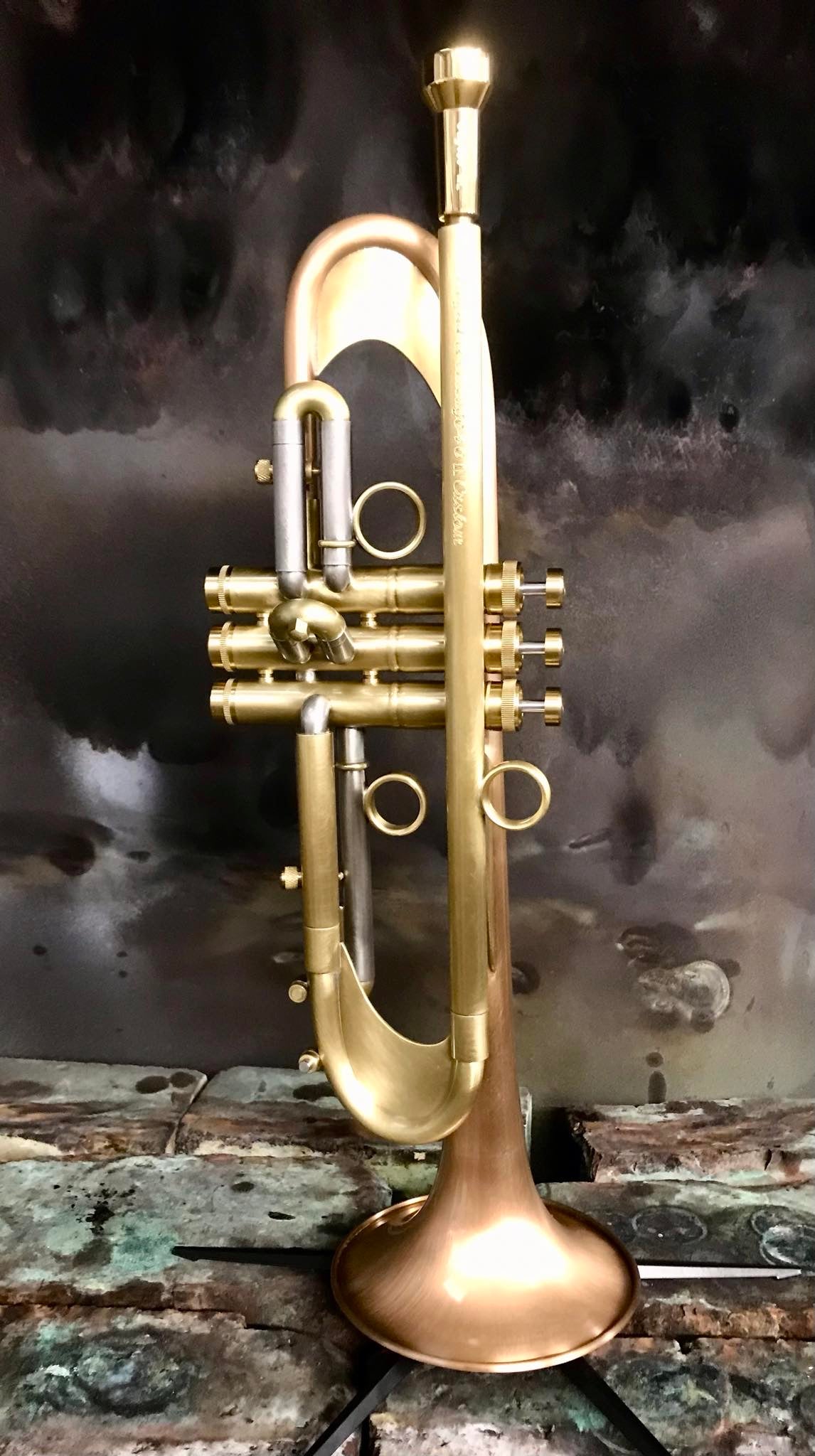
Taylor Trumpets
Chicago Models


The Taylor Chicago Model Trumpets sound and feel refreshingly different, full bodied and dark, yet powerful and expressive. The sound speaks to audiences, never tiring or demanding on the ear. The Chicago’s response and stability are unparalleled in conventional trumpet design.

Approach the Chicago with an open mind, and it will reward you with a new playing experience. You may well discover why the Taylor Chicago Models have built up such good reputation over the years as a true players instrument. You could easily get hooked!


To see a 3D 360° spinning view
of the Chicago - Download our Screensaver

Options

4 Models.
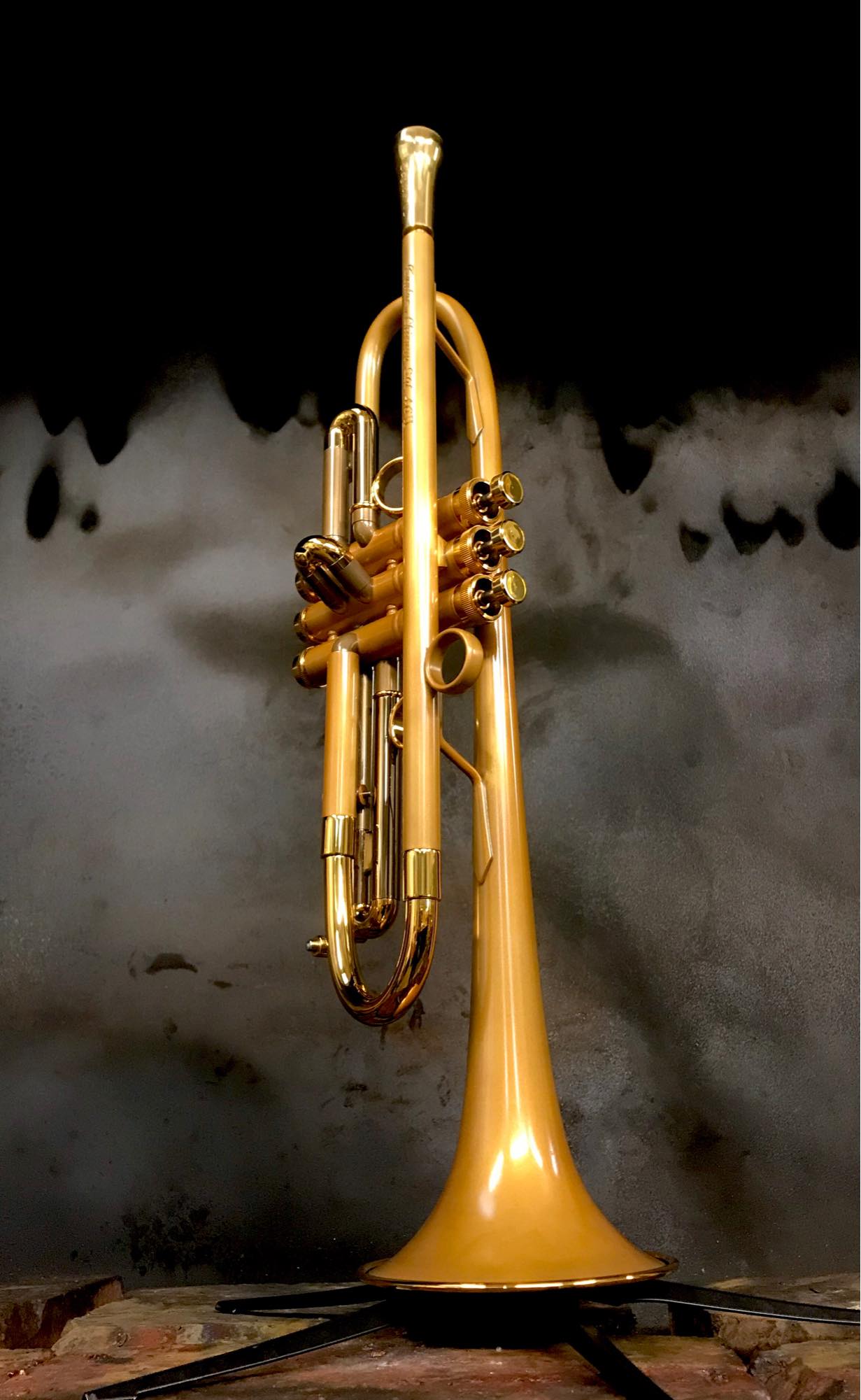
Custom The heaviest
Standard The Middle weight
Lite Lighter (but still a sturdy horn)
‘VR’ The lightest (see ‘VR’ page)

2 Bore sizes.
ML .460”
L .470”

2 Bell Alloys.
Yellow Brass 70/30 (copper/ zinc ratio)
Red Brass 90/10 (gives a slightly warmer sound)

Finishes. The most common are:
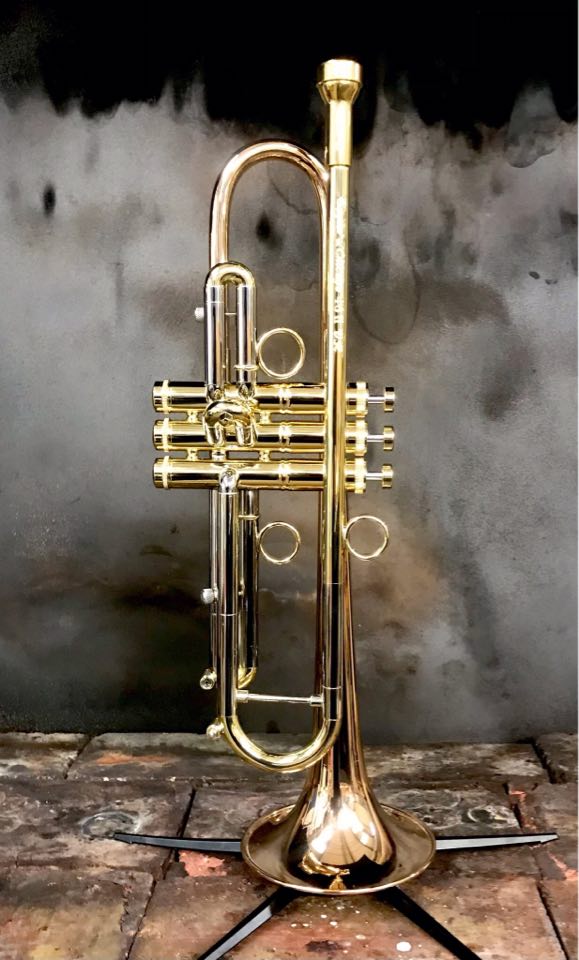
Raw Brass (No finish at all) Will turn a mellow brown colour in time.
Satin Gold Lacquer Clean gold colour that doesn’t show finger marks.
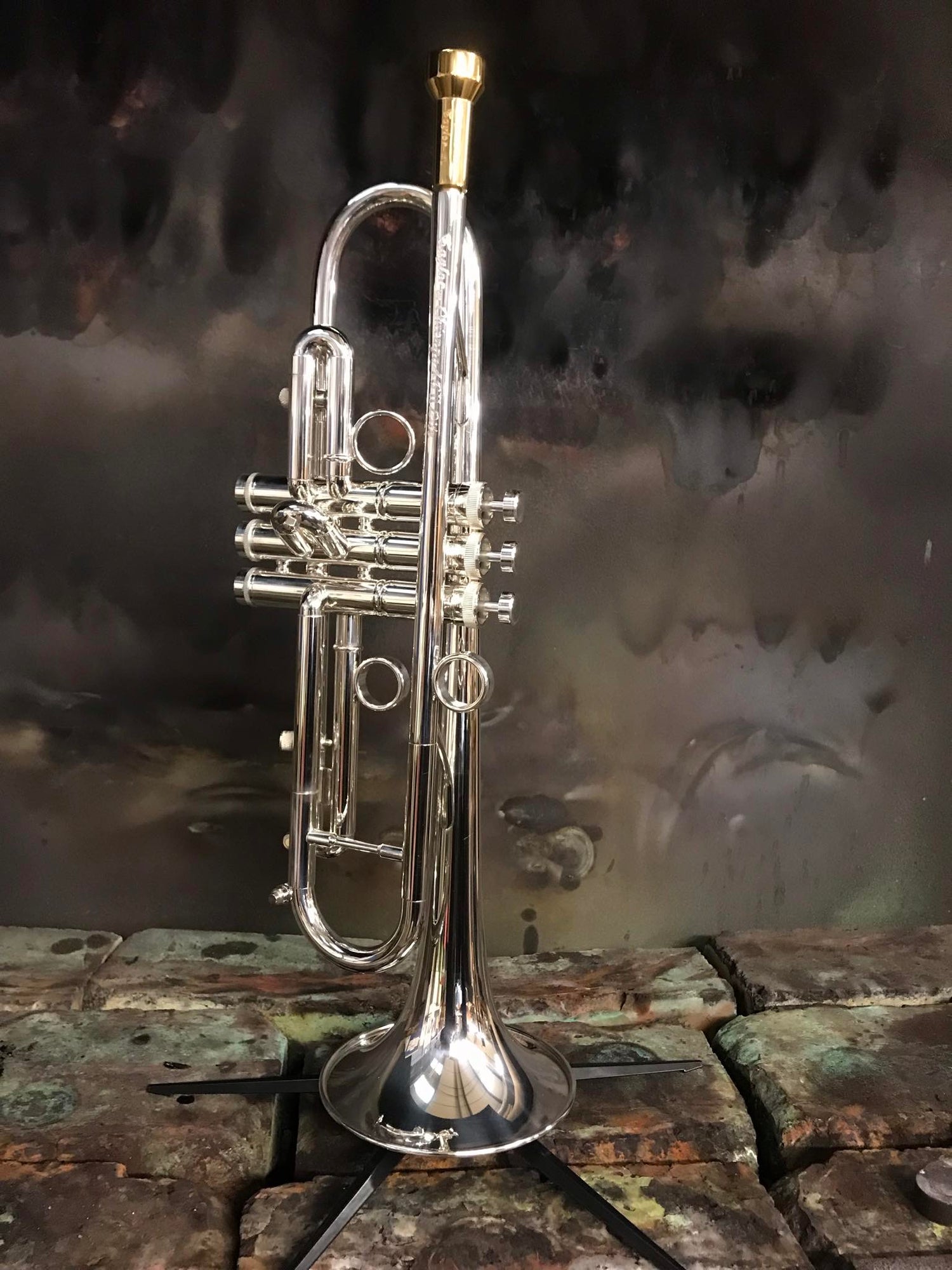
Silver with Gold Hi-lights Very shiny, a bit Glitzy, looks expensive, but isn’t!
There are plenty of other options, you just need to ask.


The Chicago Custom

This is the big boy of the Chicago range. Massive big, dark sound. Capable of tremendous volume and extreme subtlety as well. Blow it hard and the sound just gets bigger and bigger, never really introducing much cut. It just gets louder and louder. There is no shut off point either. It will just keep increasing in volume till you physically can’t give it any more air.

But it also has a softer side. This is probably the main reason for the Chicago Customs popularity with Jazz soloists. A warmth of sound at lower volumes that other trumpets so rarely possess. The ability to taper off the volume to little more than a whisper without loosing control. The way you can change the tonal colours within the same musical phrase. This makes it one of the most expressive and lyrical trumpets you could ever play.

Ok, so it’s a great small band horn, but what if I do most of my work in a Soul band or Symphony orchestra? No worries. Keep reading. There are other models in the Chicago range that will cover those bases.


Chicago Custom
Click for Large picture
The Chicago Standard

The Taylor Chicago Standard possesses most of the attributes of its heavier brother, especially in the softer touch department, but with one main difference. It can and will brighten up a bit on demand. This makes it more adaptable to differing environments. It also makes it a terrific recording instrument.

Chicago Standard
Click for Large picture

Chicago Lite
Click for Large picture

Chicago Lite
The lighter of the ‘3 brothers’. This is great allround horn. It can blend in sections, cut when needed, and still has a certain creaminess and body to the sound. It is
open and easy to play with just the right amount of feedback to the player, its also comfortable and reliable. If you work mostly in the commercial domain and want one horn to do most of your work then this is about as good as it gets. Its natural tone colour is not as dark as the Custom or brighter like the ‘VR’ but it treads the middle ground with extreme confidence.

The Chicago X-Lite

If you need a trumpet to do the B**h, S****ke thing but ‘even more so’, then this is it. It’s a mainstream, non threatening, .460” bore, easy to play, take anywhere anytime trumpet that’s been force fed steroids and taken to the gym. Hey, you could even take this one to a symphony orchestra gig! And it uses the same silky smooth and quiet valve section all the other Chicago models have AND at a great price to.

For more info on the Taylor Chicago X-Lite model click here

Bore Size and Bell alloy choice

This is essentially a personal thing. But a few words of wisdom might help. Large bore instruments do need more air to fill them and while they will often sound bigger and can ultimately be louder they can also be more tiring to play over the length of a gig. If you are only going to be doing ‘lounge lizard’ gigs, or small jazz combo jobs where you get a good rest while the piano player, the sax player, the bass player and the drummer all get 5 minute solos in every song then this is not likely to affect you, and the broader sound of the larger instrument can and most probably will work to your advantage.

However, if you need to be playing almost constantly for 2-3 hours while standing on your feet, trying to look like you’re having fun, sweating under the lights, playing in a Blues Brothers review, or Earth Wind & Fire tribute show and have only ever played ML bore horns, I would suggest you would probably be better off staying with a bore size that feels familiar. It may seem like common sense, and it is common sense, but its worth being reminded anyway.

The bell material issue is also worth a mention. One of our more popular options of late has been the Chicago 46 (ML) Standard with the Redbrass bell. There is a good reason for this. Adding the Redbrass bell will put back the fatness and warmth the L bore has over the ML. So now we have a horn that sounds like a Large bore, but blows like an ML. And being a Standard its not to heavy either.

That’s only one side of the coin. Another consideration could be, if you need to fill big spaces efficiently with lots of sound (like in chapel for example) then I’d recommend the yellow brass as it projects slightly better. Another issue worthy of some thought is, what are the other trumpeters around you playing on? If its your regular playing partners and they all have yellowbrass bells on their trumpets then it could be a wise move to stick to yellowbrass on yours as well as this will blend better with their horns.

I hope that helps to remind you of what does what and how it affects you, as a player, and your audience (be it your mum, your teacher, your mates, your congregation, your adoring fans or just the dog who has to listen to you practice) for one must never forget just how important ‘they’ are (no matter what instrument you play). They can and will accept the odd duff note, but a duff sound….. NO.


Chicago Standard with options
Click for Large picture

Specifications

CHICAGO MODELS:

Bore size

.470"

Bell material

CZ 106 (yellow brass)

  .460" ('46' Models)

CZ 101 (red brass)

Valve block

Heavy casings

Bell construction

2 piece

Recessed top caps

50% thicker than normal

Weighted bottom caps

Oversized rim thickness

Valve pistons

Stainless steel sleeves

Partially annealed

Mouthpipe taper

Medium / fast

Built in 'choke'

  Medium ('46' Models)   (not on '46' model)

Mouthpipe construction

Machined from one piece of free-machining brass

Mouthpiece receiver Standard shank

Main tuning slide bow

100% thicker than normal

Instrument construction

Totally unstressed

Annealed

Mouthpiece

3c equivalent

Offset C shaped

Mpc options

Custom one off

Finger Buttons

Brass (Titanium optional)    
Bell diameter 5 1/2" /140mm (Typically)    

back to top

WEIGHTS:
With appropriate mouthpiece fitted.


The weights listed below are for the Chicago II Models.

Chicago II Custom

1.900 kg / 4 lb 3oz

Chicago Standard

1.625 kg / 3 lb 9oz

Chicago Lite

1.415 kg / 3 lb 1oz

Flugel Horn
1.400 kg / 3 lb 1oz


back to top

Click Here for Chicago 'VR' Models